
How to Prepare Witnesses for a Deposition: Attorney Best Practices
Deposition preparation sets the tone for your entire case. A well-prepared witness delivers clear, consistent testimony that supports your legal strategy. On the other hand, a lack of preparation introduces unnecessary risk. For attorneys handling matters in San Jose and across the East Bay, brushing up on deposition tips for witnesses and attorneys can help the process run smoothly for everyone involved.
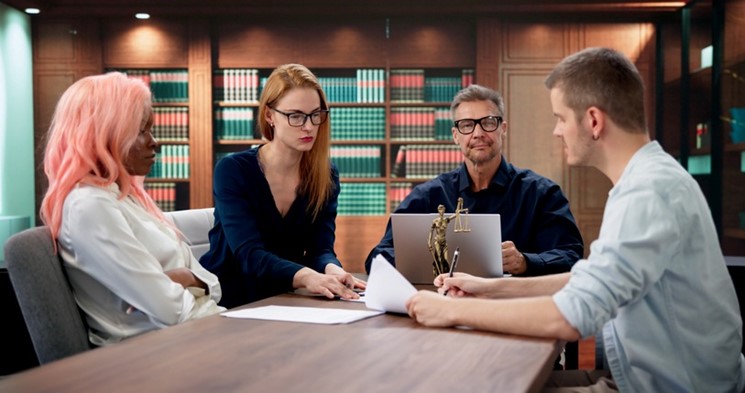
Seeing Depositions Through a Witness’s Eyes
Most witnesses walk into a deposition with some level of uncertainty. Even business professionals may feel uneasy about the questioning style or the legal implications of their answers. Such tension often leads to over-explaining or second-guessing themselves.
Your job as an attorney is to calm their nerves by helping them know what to expect. Start with the basics: explain the purpose of the deposition, who will be present, and how questioning will unfold. Clear, practical guidance on how to prepare for a deposition goes a long way.
Deposition Mistakes to Watch For
A few common missteps can weaken an otherwise solid testimony. Keep these common issues in mind as you prepare your witness:
- Volunteering extra information: Witnesses may answer beyond the question or wander into speculation territory, which opens unnecessary lines of inquiry.
- Interrupting or answering too quickly: Rushed responses often stem from poor listening and lead to inaccurate or unclear answers.
- Becoming defensive: Opposing counsel may push for a reaction. A witness losing their cool could leave a bad impression.
- Overconfidence: Seasoned witnesses may assume they know the drill, which leads to careless answers and avoidable mistakes.
Best Practices for Attorneys Preparing Witnesses
Effective preparation calls for a clear, thoughtful approach. A repeatable process saves time and promotes consistency across cases. Follow this deposition preparation checklist as you get your next witness ready to testify:
- Conduct a thorough prep session: Set aside time to review the facts and go over documents together. Anticipate likely questions to identify weak areas and reduce hesitation. Then hold mock questioning sessions to give witnesses a realistic sense of the pacing and tone.
- Emphasize listening skills: Walk witnesses through the importance of listening carefully and answering questions without volunteering any extra details. Train them to pause, think through their answer, and then respond.
- Encourage honesty: Witnesses should avoid speculation and stick to the facts within their knowledge. Remind them that it’s okay to say, “I don’t know” or “I don’t remember.”
- Promote professionalism: Appearance, tone, and demeanor matter during legal proceedings. Instruct witnesses to dress professionally, speak respectfully, and maintain a dignified composure throughout the process to support their credibility.
- Address difficult topics directly: Many witnesses shy away from sensitive issues during preparation, but this does more harm than good. Tackle those hard-to-answer questions before the deposition so the witness is ready when they inevitably come up.
- Coordinate with a certified court reporter: Reliable court reporting services keep the deposition running smoothly. With this support in place, you can concentrate on guiding your witness through questioning.
How Professional Reporting Supports a Smooth Deposition
Preparation is only part of the equation. The way you run the deposition and who’s supporting it behind the scenes can greatly affect the outcome. Reliable legal reporting services keep everything on track. After all, clean, well-formatted transcripts preserve testimony and make it easier to work with later.
Talty Court Reporters has extensive experience supporting legal teams throughout San Jose and the East Bay. We utilize the latest technology to deliver the very best results in your case. Turn to us for top-quality court reporting and transcribing services, remote depositions, video and audio conferencing, and much more. For additional information about our services or to request a cost estimate, please contact us today to support your next deposition in San Jose or the East Bay.
FAQs
What should I look for in a court reporting service?
You want a team that’s reliable, detail-oriented, and easy to work with. Certified court reporters who stay on top of technology and turnaround times make your job easier.
Are virtual depositions as effective as in-person ones?
They can be, as long as the setup is solid. With the right reporting services and a little preparation on your end, virtual depositions usually run smoothly and give you what you need.
How quickly are certified deposition transcripts available?
It depends on the case, but most providers offer flexible turnaround times. If you’re on a tight deadline, expedited transcripts may be an option.
Why is a deposition preparation checklist important?
A repeatable process keeps everyone on the same page and prevents you from skipping a step. When your witness knows how to prepare for a deposition, they walk in more confident and less likely to get tripped up.
What role do certified court reporters play during a deposition?
They ensure every word is captured accurately, creating a record that becomes the backbone of your case. This is why having an experienced, certified court reporter on the job is so important.