
What to Expect During a Deposition
Depositions may be routine for your legal team, but you should never take them lightly. Every step, from preparing a witness to transcript delivery, carries weight in your case. That’s why it’s worth brushing up on the process to keep everything on track. Whether your matter is based in San Jose or the East Bay, review what happens during a deposition and where each member of your legal team fits in.
What Is a Deposition?
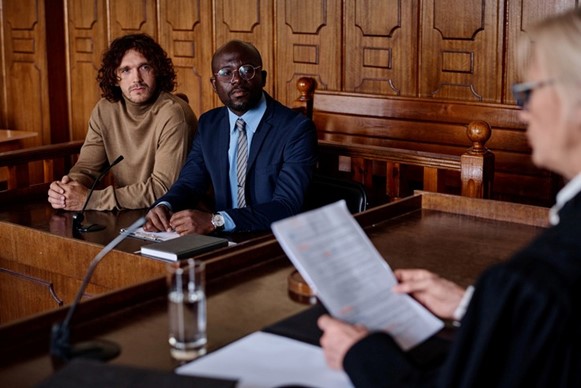
This formal question-and-answer session is conducted under oath, usually outside the courtroom. Attorneys gather sworn testimony, assess credibility, and preserve statements for trial or settlement discussions. A certified court reporter attends the proceeding to record every word and later create a verbatim transcript that becomes part of the official record.
The Deposition Process Step-by-Step
When a deposition becomes necessary, the process usually follows a logical sequence. Here’s what to expect:
- Scheduling and notice: One party gives notice of the deposition and coordinates with opposing counsel, the witness, and service providers. Crucial details—such as the date, location, and whether the proceedings will be held in person or remotely—are established early.
- Preparation: Attorneys prepare their witnesses and outline questioning strategies. Paralegals and legal secretaries often confirm the logistics and ensure all exhibits are ready for a smooth presentation.
- Setting the stage: On deposition day, a court reporter administers the oath. If the deposition is remote, the platform is tested in advance to confirm audio, video, internet stability, and document-sharing functions.
- Direct examination: The noticing attorney begins the questioning. The goal is to gather facts and build a record.
- Cross-examination: Opposing counsel asks follow-up questions, which may bring inconsistencies to light and put evidence to the test.
- Objections: Attorneys state objections on the record to preserve issues for later review. In most cases, the witness must still answer the question unless instructed not to.
- Exhibit handling: Evidence is introduced and marked as exhibits. In remote settings, digital exhibit tools keep everything organized and accessible to all participants.
- Closing and transcript creation: Once questioning concludes, the court reporter finalizes the transcript. Attorneys may review and request corrections through an errata sheet.
Who Is Involved in a Deposition?
A legal deposition involves multiple parties, each with a defined role to play:
- The witness provides sworn testimony based on their personal knowledge.
- The attorney’s role in a deposition includes questioning, defending, and preserving the record.
- A certified court reporter handles the official transcript and often manages technical aspects of remote sessions.
- Videographers sometimes join to create a visual record of the testimony, which can be used during trial or settlement discussions.
- Paralegals and legal secretaries coordinate documents, exhibits, and scheduling, but they may not be present during the deposition itself.
In-Person vs. Remote Depositions
In-person deposition services take place in a controlled, traditional setting. Everyone gathers in the same room, which makes it easy to read body language and manage physical exhibits. This format is preferred for complex cases or when attorneys prefer face-to-face interaction.
Remote deposition services are more flexible. Participants can log into a secure video platform from anywhere with a stable internet connection. This format reduces travel expenses and scheduling conflicts, making it a practical choice for cases involving out-of-town witnesses.
How We Support Each Stage of a Deposition
Every stage of a legal deposition runs better with the right team behind it. Talty Court Reporters can assist with scheduling, provide certified court reporters, and deliver transcripts on time. Whether you want to hold your next deposition remotely or rent a meeting room for an in-person session, we can help. Our goal is to keep your focus exactly where it belongs: on the record and your case strategy.
Streamline Your Next Deposition
At Talty Court Reporters, we utilize the latest technology to deliver the very best results in your legal case. We support attorneys with in-person and remote depositions, court reporting and transcribing services, video and audio conferencing, and much more for matters across San Jose and the East Bay. For additional information about our services or to request a cost estimate, please contact us today.
FAQs
What should I look for in a certified court reporter?
Accuracy, reliability, and experience are the biggest factors. A qualified reporter maintains a clean record, handles the technical setup for remote sessions, and delivers certified transcripts when you need them.
How are exhibits handled during a remote deposition?
Most platforms support real-time document sharing and marking. Files are uploaded, labeled, and displayed during questioning to keep everyone on the same page.
When does it make sense to schedule an in-person deposition?
This format works best when physical exhibits are involved or when the attorney feels that face-to-face interaction would add value. Many teams prefer it for complex matters.
Is a videographer required for every deposition?
No. Video may be useful during trial or settlement discussions, but it’s commonly reserved for high-stakes testimony.
How quickly are transcripts delivered after a deposition?
Turnaround times vary, but it’s reasonable to expect delivery within a few days. Expedited options may be available when deadlines are tight.