
The Value of Human Expertise in Court Reporting
The spoken word carries weight in every legal proceeding. Depositions, hearings, and trials move quickly, and conversations often shift direction in an instant. Even with technology assisting the process, human court reporters remain the most reliable way to capture every detail accurately.
What Is a Court Reporter?
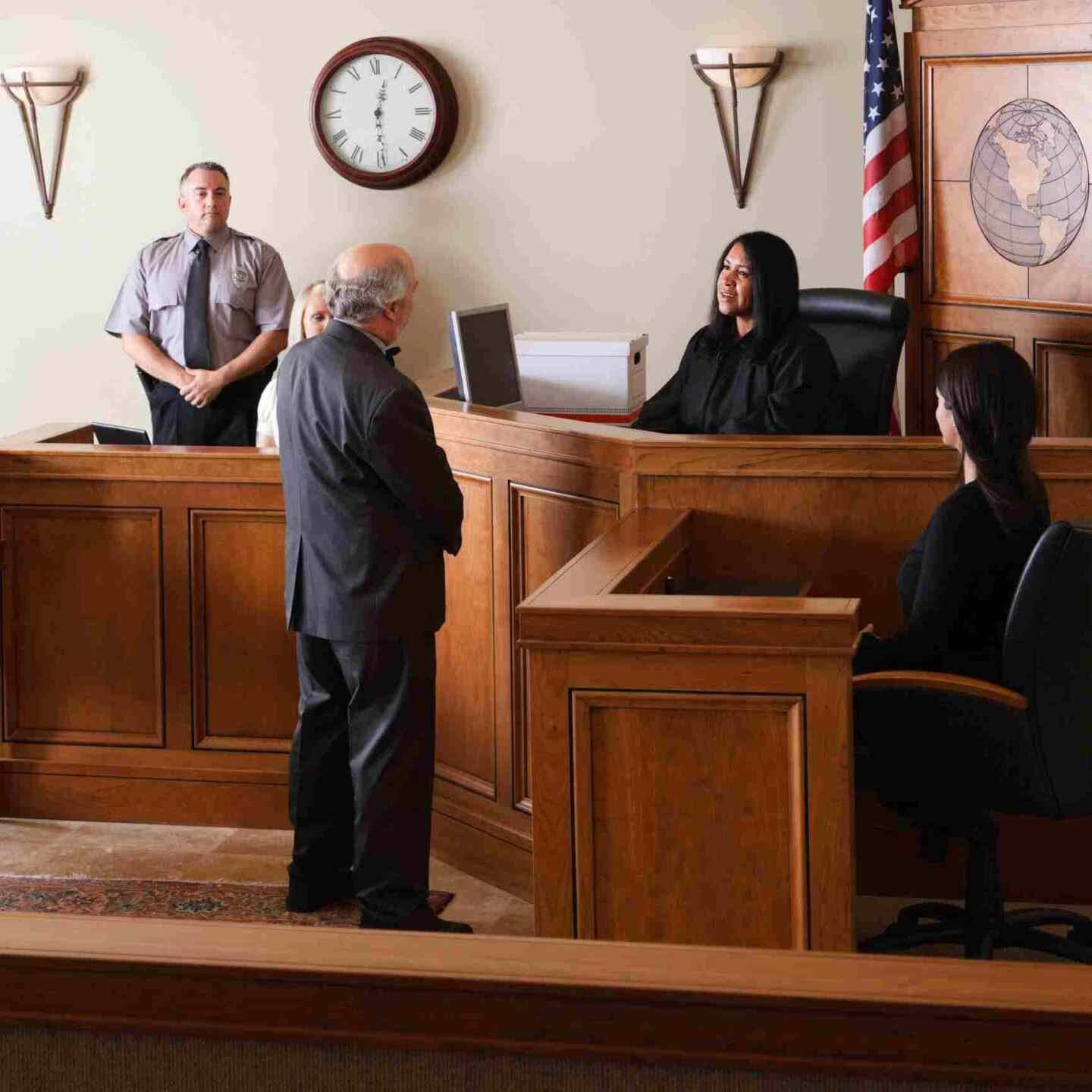
A court reporter, also known as a stenographer or shorthand reporter, is a trained professional who creates an exact record of legal proceedings as they unfold. They capture everything that happens in a deposition, hearing, or trial—including spoken words, gestures of testimony, and pauses or overlapping speech.
The stenotype machine has long been the tool used to type at remarkable speeds. Professional stenographers use this and voice-writing equipment to rapidly record every spoken word. After the deposition, hearing, or trial, the reporter converts their shorthand notes into an official, certified transcript that reflects exactly who said what and when. Their combination of technical skill and legal knowledge ensures that the record reflects the proceedings with complete accuracy.
Of course, a human court reporter’s responsibilities go beyond typing. They help manage the pace of a proceeding, signal when something isn’t clear, and serve as guardians of the record from start to finish. That’s why attorneys rely on court reporters—because they produce unbiased, certifiable records that support motions, appeals, strategy decisions, and client communication.
The Rise of Automated Solutions
Technology has changed nearly every part of the legal world over the past decade or so, including court reporting services. Digital recording systems and AI-powered transcription platforms promise speed and convenience. These tools are helpful for reference recordings or making basic internal notes, and they’re certainly a cost-cutting solution.
However, what these tools provide in efficiency, they lack in accuracy and judgment. For instance, where speech-to-text software might misinterpret an indistinct sound or mumbled statement, a human will request that a witness repeat themselves, ensuring court reporting accuracy and completeness. Machines also struggle when speech overlaps or speakers shift their tone mid-sentence. Accents, technical language, quiet voices, and rapid exchanges cause even more trouble.
Advantages of Human Court Reporters
Human expertise remains central to high-quality court reporting. The benefits of hiring professional stenographers are evident at every phase of a proceeding. Here’s what to expect:
- Real-time understanding of context: Human court reporters know when an attorney shifts from questioning to objecting, when a witness becomes emotional, or when multiple voices collide. Their understanding of context ensures the transcript reflects the true intent behind the words.
- Ability to request clarification: When testimony is unclear, a reporter can ask a witness or attorney to repeat themselves. This prevents guesswork and removes gaps that automated systems often leave behind.
- Consistent speaker identification: Proceedings frequently include overlapping dialogue, quick exchanges, or similar-sounding voices. Human reporters identify speakers accurately so the record never confuses who said what.
- Familiarity with legal language: Professional stenographers understand legal terminology, case citations, procedural jargon, and common phrases used in litigation. This knowledge minimizes transcription errors and cuts down on editing time afterward.
- Steady control of the room: The presence of a human reporter encourages people to slow down, speak clearly, and stay mindful of the record. When the room becomes tense or chaotic, a reporter can pause the proceedings or ask for clarification, unlike a machine that only continues to process audio as it comes in.
- Accountability and certification: Human court reporters certify their transcripts. They stand behind the document they produce, which gives attorneys confidence when submitting transcripts to the court or referencing them in motions and filings. Machines cannot take responsibility for their mistakes.
- Better performance in difficult audio conditions: Background noise, coughing, accents, or fast talkers often cause automated tools to produce confusing output. Meanwhile, a professional stenographer can decipher these moments thanks to their skill and expertise.
- Reliable results for high-stakes cases: Errors cost time and money and put a dent in your credibility. Human reporters reduce these risks by producing transcripts that match the spoken record with complete accuracy.
Choose a Team You Can Trust
Even with the advanced tools available, human court reporters aren’t likely to disappear anytime soon. Technology streamlines part of the job, but skilled professionals ensure that nothing important slips through the cracks.
At Talty Court Reporters, we utilize the latest technology to deliver the very best results in your legal case. Turn to us for top-quality court reporting and transcribing services, video and audio conferencing, remote depositions, and much more. For additional information about our services or to request a cost estimate, please contact us today.