
Why Court Reporting Still Matters in a Digital Legal World
Courtrooms look different from the way they did even five years ago. Digital exhibits replace stacks of paper. Hearings and depositions routinely happen over video. And entire proceedings can span multiple states and time zones. No matter how you feel about the digitization of legal services, cases these days move faster than ever, thanks to the ability to collaborate from multiple locations in real time.
Despite what some people think, this progress has not made human court reporters obsolete. On the contrary, their role is more important today than ever. As technology reshapes the legal world, accuracy and accountability remain dependent on trained professionals who understand the law, the record, and the responsibility that comes with preserving both.
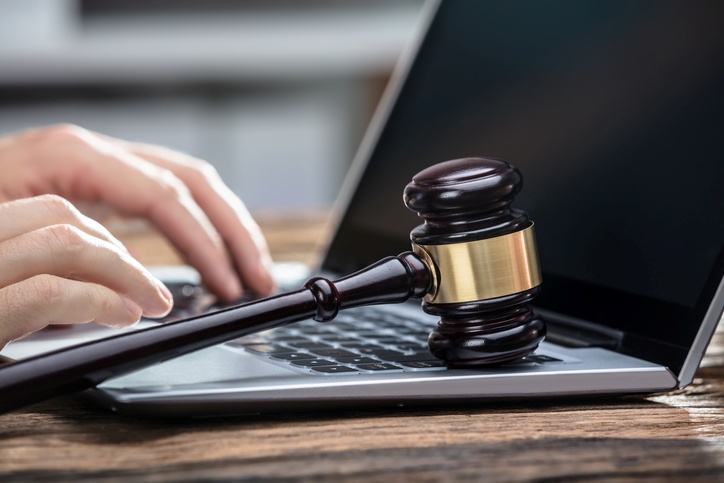
The Growth of Remote and Hybrid Court Proceedings
Remote and hybrid proceedings gained popularity during the COVID-19 pandemic. But rather than fading when courtrooms reopened, they have become a standard part of everyday legal practice. Depositions, hearings, arbitrations, and other proceedings now regularly take place on virtual platforms, with attorneys, witnesses, and judges joining from different physical locations.
This shift to a digital legal world has several advantages. Because participants can log in from anywhere with an internet connection, scheduling is more flexible and travel costs are eliminated. Cases also progress more quickly and experience fewer delays. In short, remote options make it easier for busy practices to maintain momentum and meet tight deadlines.
The efficiency gains are real, but digitizing processes that once only happened in person adds complexity. Audio and video quality may vary, participants talk over each other more often, and dropped internet connections can put the proceedings on hold. Hard-to-understand accents and legal jargon further complicate the record.
Automated tools often struggle in these environments. That’s where human court reporters matter most. They monitor the flow of testimony, clarify speakers’ names, and ensure the record is complete and viable. Without human intervention, the record is left at the mercy of imperfect software and may fail to meet court standards.
Why Professional Court Reporting Remains Irreplaceable
Court reporting is not going anywhere because trust in the legal system depends on reliable records. Unlike automated transcription software, professional court reporters are trained to listen critically and intervene when necessary. They know when to interrupt for clarification and when to flag an issue that could affect the record.
On the other hand, automated systems simply convert sound into text with no understanding of context or intent. They miss sarcasm, legal objections, and the subtle differences between similar-sounding terms that carry very different meanings. They often misattribute who said what when speakers interrupt each other, and they struggle with accents and poor audio quality. These tools also can’t certify a transcript or take responsibility for errors.
When it comes to court reporting vs. automated transcription, you can trust a human to deliver better results every time. A single misheard word can change the meaning of witness testimony, delay a filing, or trigger a dispute. Human court reporters reduce that risk by applying their best judgment and training to every proceeding. This added layer of protection is why human court reporters matter, especially as legal proceedings continue to move faster and increasingly rely on digital platforms.
What Professional Court Reporters Actually Do
With so much emphasis on the importance of court reporters, you may be wondering exactly what their job entails. Here’s what professional court reporters do:
- Create a verbatim legal record: Court reporters capture every spoken word, including pauses, interruptions, and nonverbal cues when required. This level of detail results in accurate transcripts that stand up to scrutiny long after the proceeding ends.
- Manage the flow of testimony: When speakers talk over each other, or the audio becomes hard to understand, reporters speak up. They might remind participants to avoid interrupting or request clarification of what someone just said. This keeps the record clean and prevents gaps that software would otherwise ignore.
- Apply legal and procedural knowledge: Professional court reporters understand legal terminology, courtroom procedures, and transcript formatting standards. This knowledge ensures they deliver transcripts that meet court requirements every time.
- Ensure confidentiality and neutrality: Court reporters operate under strict ethical standards. They protect sensitive information and remain neutral throughout the process.
- Adapt to evolving technology: Court reporting in tech-driven environments requires confident use of remote platforms, digital exhibits, and real-time reporting tools. Human reporters boast these technical skills alongside their professional judgment to keep proceedings on track.
Factors to Evaluate When Choosing a Court Reporting Service
Not all court reporters deliver the same results. Choosing the right provider is increasingly important as digital legal services expand. Look for the following factors to separate dependable professionals from basic transcription offerings:
- Commitment to accuracy: Accuracy depends on training, experience, and accountability, so look for services that prioritize human court reporters over fully automated systems.
- Experience with remote proceedings: Providers should have proven systems for handling virtual and hybrid events, including platform support, audio and video management, and coordination across multiple locations.
- Qualified, certified reporters: Certification reflects professional standards and ongoing education for consistency and reliability every time.
- Secure technology and data handling: Legal records contain sensitive information. A reputable service uses secure systems to record, store, reproduce, and deliver documents, transcripts, and exhibits.
- Responsive client support: Scheduling changes, technical issues, and last-minute transcript requests are common. You want your provider to respond quickly and communicate clearly to keep your case moving forward.
Choose Accuracy That Keeps Up with Technology
Digital tools, remote proceedings, and automation will continue to shape the legal field. Still, these enhancements don’t replace the need for human court reporters. At Talty Court Reporters, we utilize the latest technology to deliver the very best results in your legal case. Turn to us for top-quality court reporting and transcribing services, video and audio conferencing, remote depositions, and much more. For additional information about our services or to request a cost estimate, please contact us today.