
Different Types of Remote Deposition Services
Remote deposition services have become a staple of modern litigation. As technology evolves and legal teams seek faster, more flexible ways to gather testimony, different types of remote deposition services have evolved. Options now range from simple phone calls to tech-enhanced video platforms. Learn about all the options available so you know which ones are most likely to streamline your next case.
What Are Remote Deposition Services?
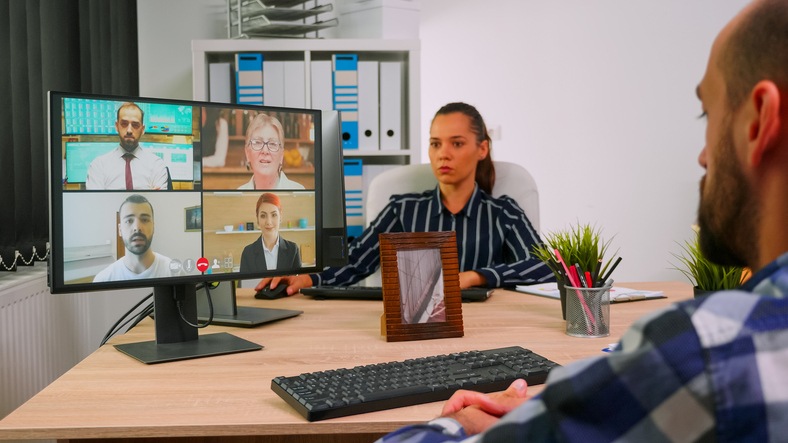
Remote depositions allow attorneys, witnesses, court reporters, and other participants to connect without being in the same physical room. Instead of reserving a conference room and coordinating travel plans, parties can log in from anywhere using a phone line, video conferencing software, or a hybrid setup that combines in-person and remote attendance. These methods deliver the same sworn testimony and official record you’d see in a traditional deposition, just with added flexibility and accessibility at a reduced cost.
Types of Remote Depositions to Choose From
Since the temporary shutdowns tied to the COVID-19 pandemic, remote depositions have become wildly popular. Faster internet, more secure legal platforms, and wider acceptance of virtual proceedings across the legal profession have fueled this growth. What was once a backup plan when in-person meetings were on hold is now a reliable, everyday tool for trial preparation.
Today, legal teams can choose from several distinct formats, each designed to support different case needs, schedules, and levels of complexity.
Standard Remote Video Deposition Services
The first and most familiar type is the standard video conferencing deposition. During a session, all participants connect via a secure video platform. Each person appears on camera, interacts in real time, responds to questions, and shares exhibits just as if they were sitting together in a conference room.
Remote video depositions are among the most popular services because they allow participants to:
- See and hear everyone live
- Use screen sharing for exhibits
- Capture non-verbal cues like facial expressions
- Streamline real-time transcription
These capabilities make it easier to conduct fact witness interviews, capture expert testimony, or manage other situations where visual interaction adds value.
Hybrid Deposition Services
Not every case needs to be fully remote. If some participants live in the same city, while others do not, a hybrid deposition could be the perfect compromise. In this scenario, some people sit together in a room while others join the deposition from afar via video conferencing.
For example, a witness, their attorney, and a court reporter might gather in the same conference room, while opposing counsel logs in from another state. Hybrid remote deposition services combine the personal interaction of in-person settings with the convenience of remote access.
With the right setup, hybrid depositions feel nearly indistinguishable from fully in-person ones, and they often cost far less. Hybrid depositions are especially useful when:
- Geographically distant experts must testify
- Local counsel or witnesses prefer a face-to-face presence
- Budget constraints make travel impractical
Technology-Enhanced Remote Depositions
These remote deposition services take standard video conferencing a step further by integrating advanced tools that make depositions more efficient and interactive. Available features may include:
- Real-time transcript feeds
- Live exhibit annotation and marking
- Secure cloud storage for exhibits and recordings
- Breakout rooms for off-the-record discussions
- Built-in chat and document management tools
These features help legal teams manage complex depositions, especially when multiple exhibits or expert witnesses are involved. The key benefit here is efficiency. Everything you need for the deposition lives in one secure digital environment.
Reporter-Supported Remote Depositions
Another type of remote deposition centers on the court reporter’s role. In reporter-supported remote depositions, a local court reporter may attend in person with the witness. Meanwhile, legal counsel and other participants connect remotely. This setup enhances accuracy and compliance while still offering the flexibility of remote access. You might use this setup if:
- Witnesses lack reliable internet service at their location
- The court reporter needs to administer an oath in person
- Local rules favor or require an on-site reporter
Specialized Remote Deposition Formats
Beyond the main types of remote deposition services, specialized formats might make sense in certain scenarios. While not suitable for every case, they often solve scheduling, access, or technology challenges:
- Telephonic depositions are conducted entirely by phone. These are simple and cost-effective but lack visual cues and make document sharing harder.
- Asynchronous or recorded depositions are when a witness records answers to questions in advance. Real-time objections aren’t possible, but this format helps resolve scheduling conflicts and time zone differences.
Industry-Specific Remote Deposition Services
Some remote depositions focus on specific industries or case types. They combine whatever type of remote deposition you prefer with tools designed for your particular industry. For example:
- Medical and expert testimony platforms are optimized for detailed document sharing.
- Multilingual deposition services include built-in interpretation support.
- High-stakes litigation platforms offer enhanced security and access control.
Remote Deposition Platforms and Technology Services
Behind every remote deposition is a platform and technology that makes them possible. Some are simple video tools adapted for legal use, while others are secure, industry-specific systems with integrated exhibit and transcript management.
Look for remote deposition platforms that deliver the following:
- Secure, encrypted connections
- Court-ready recording and transcript files
- Intuitive exhibit sharing and control
- Options for live support from technicians or court reporting staff
Choosing the right platform depends on your needs, budget, and the level of control you want over exhibits and recordings. The best remote deposition services streamline the process for everyone involved, so you can focus on evidence and testimony rather than troubleshooting tech issues.
Optimize Your Next Deposition
Now that you understand the different types of remote deposition services, you’re better prepared to pick the best approach for each case. Whether you need a simple telephonic deposition or a technology-enhanced hybrid video session, remote formats offer flexibility without sacrificing quality.
At Talty Court Reporters, we utilize the latest technology to deliver the very best results in your legal case. Turn to us for top-quality remote depositions, video and audio conferencing, court reporting and transcribing services, and much more. For additional information about our services or to request a cost estimate, please contact us today.